Animal · Peru, Bolivia, Chile
Alpaca
Vicugna pacos — the name this animal has in the language scientists everywhere share.
The alpaca is a small, fluffy relative of the llama, bred by Andean people for thousands of years mainly for its soft, warm wool. It grazes on the high grasslands of Peru and Bolivia.
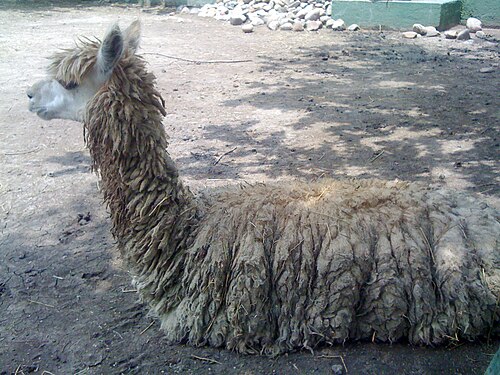
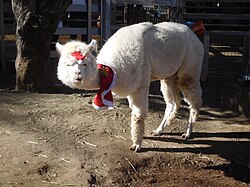
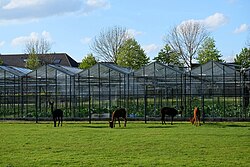
Picture credit: Mizael Contreras (CC BY-SA 4.0) · Miyuki Meinaka (CC BY-SA 4.0) · Lendskaip (CC0) · Wikimedia Commons
Where does the alpaca live?
Home: High Andean grasslands of Peru and Bolivia.
In the wild you find it in: Peru, Bolivia, Chile, Ecuador.
The short profile
Fully grown it measures up to 1 m tall at the shoulder. It weighs about 65 kilograms. On the menu: plants.
The story behind it
Alpaca wool is prized because it is softer, warmer and lighter than sheep's wool, and unlike wool from sheep, it contains almost no lanolin oil, making it naturally hypoallergenic for many people who react to other wools. A single alpaca produces enough fleece each year to make several warm sweaters, and its wool comes in over 20 natural colours, more than almost any other fibre-producing animal. Alpacas hum softly to communicate with each other, especially when curious, worried or greeting a friend. They live in herds and often use one communal dung pile, which helps keep grazing areas clean and even makes farming easier. Descended from the wild vicuña, alpacas remain an essential part of Andean farming life today.
Find it on the globe
Alpaca is there as a tiny animated figure that breathes and looks around. From far away the planet is only a blue ball; detail arrives as you zoom in, and this one appears once you are close enough. Open it on the globe.
It sits at its real coordinates, not near them — the same numbers listed in the facts above. Switch off the layer for this kind of place and it disappears again; the buttons for that are down the right-hand edge.
Questions children ask
Why is alpaca wool so popular?
Alpaca wool is soft, warm and lightweight, and contains almost no lanolin oil, making it comfortable for people whose skin reacts to sheep's wool. It also comes in more than 20 natural colours without needing to be dyed.
How is an alpaca different from a llama?
Alpacas are smaller than llamas, bred mainly for their soft wool rather than as pack animals, and have shorter, more pointed faces and ears. Llamas are larger and stronger, better suited for carrying loads.
Why do alpacas hum?
Alpacas hum softly as a form of communication, expressing curiosity, mild worry, contentment, or simply checking in with herd members. Different hums can carry slightly different meanings depending on the situation.
Where these numbers come from
Every figure on this page was checked against public reference sources before publication. Where sources genuinely disagree, the text says so.
Last checked: