River · Russia
Volga
The Volga is Europe's longest river, flowing entirely within Russia from quiet hills to the salty Caspian Sea. For centuries it has been a vital route for trade and travel.
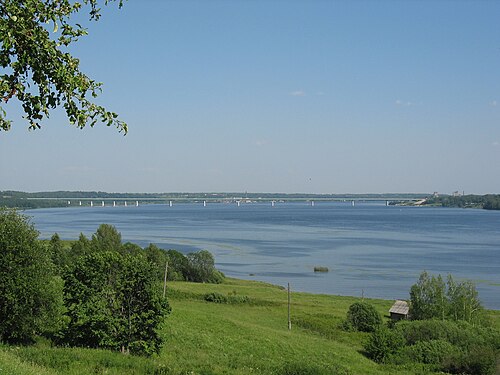
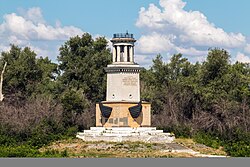
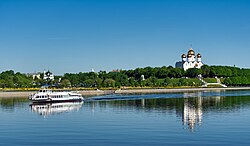
Picture credit: Insider (CC BY-SA 3.0) · Mike1979 Russia (CC BY-SA 4.0) · Alexxx1979 (CC BY-SA 4.0) · Wikimedia Commons
Where is Volga?
The river begins at Valdai Hills, Tver Oblast, Russia.
It ends in the Caspian Sea.
Along the way it passes: Valdai Hills (source) → Tver → Rybinsk → Yaroslavl → Kostroma → Nizhny Novgorod → Cheboksary → Kazan → Ulyanovsk → Samara.
Countries on the river: Russia.
The story behind it
The Volga begins as a small spring in the quiet Valdai Hills northwest of Moscow, trickling out from beneath a small wooden chapel that marks its official source. From there it grows steadily as it winds south and east across Russia, passing historic cities like Kazan and Volgograd before finally spreading into a wide delta and emptying into the Caspian Sea, the largest lake in the world. Russians have long called it Mother Volga, because for centuries the river carried traders, soldiers and travellers between distant parts of the country, and its banks are dotted with ancient towns, monasteries and fortresses. The Volga is also home to the beluga sturgeon, an enormous, ancient fish that can live for over a century and produces the prized delicacy known as caviar, though today the species is critically endangered from overfishing.
Questions children ask
How long is the Volga River?
The Volga is about 3,531 kilometres long, making it the longest river in Europe. It flows entirely within Russia, from the Valdai Hills to the Caspian Sea.
Why is the Volga called Mother Volga?
Russians have called the river Mother Volga for centuries because it has always been central to daily life, carrying traders and travellers and supporting cities, farms and fishing communities along its banks.
What fish live in the Volga River?
The Volga is home to the beluga sturgeon, one of the largest freshwater fish in the world, which can live over a hundred years. Sadly, overfishing for its valuable eggs, called caviar, has made the species critically endangered.
Where these numbers come from
Every figure on this page was checked against public reference sources before publication. Where sources genuinely disagree, the text says so.
Last checked: