River · China
Yellow River (Huang He)
Known as China's Sorrow, the Yellow River carries more mud and sand than almost any river on Earth, turning its water a yellow-brown colour. It is called the cradle of Chinese civilisation.
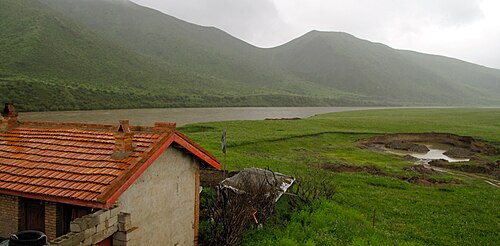
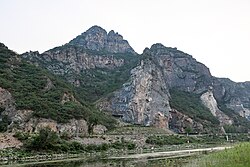
Picture credit: Tenace10 (CC BY-SA 4.0) · Windmemories (CC BY-SA 4.0) · Wikimedia Commons
Where is Yellow River (Huang He)?
The river begins at Bayan Har Mountains, Qinghai, China.
It ends in the Bohai Sea.
Along the way it passes: Bayan Har Mountains (source) → Maduo, Qinghai → Lanzhou, Gansu → Yinchuan, Ningxia → Baotou, Inner Mongolia → Hukou Waterfall → Tongguan (Wei River confluence) → Sanmenxia → Zhengzhou, Henan → Kaifeng, Henan.
Countries on the river: China.
The story behind it
The Yellow River, called Huang He in Chinese, begins as clear mountain water on the Tibetan Plateau but changes colour dramatically as it crosses the Loess Plateau, a region covered in fine, powdery soil. The river picks up so much of this yellow-brown silt that it carries more sediment than any other major river in the world, enough to build new land at its mouth every year. Along its middle stretch, ancient farming villages grew into the first great Chinese dynasties more than four thousand years ago, which is why the river is often called the cradle of Chinese civilisation. But that same silt has also caused terrible floods throughout history, earning the river its nickname China's Sorrow. Today huge dams and dykes help control its powerful, muddy waters.
Questions children ask
Why is the Yellow River yellow?
The Yellow River picks up huge amounts of fine, powdery yellow soil as it flows through the Loess Plateau in China. This soil, called silt, turns the water a yellow-brown colour and gives the river its name.
How long is the Yellow River?
The Yellow River is about 5,464 kilometres long, making it the second longest river in China after the Yangtze. It flows from the Tibetan Plateau all the way to the Bohai Sea.
Why is the Yellow River called China's Sorrow?
For thousands of years, the Yellow River's muddy waters have caused severe floods that destroyed towns and farmland. This tragic history earned it the nickname China's Sorrow, even though it also created the fertile land that helped Chinese civilisation grow.
Where these numbers come from
Every figure on this page was checked against public reference sources before publication. Where sources genuinely disagree, the text says so.
Last checked: