Country · Europe
Germany
Federal Republic of Germany
Germany is a country in Western Europe. Its capital city is Berlin. About 82.9 million people live there, in an area of 357 114 square kilometres.
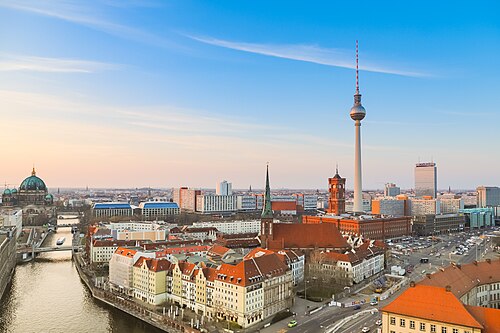
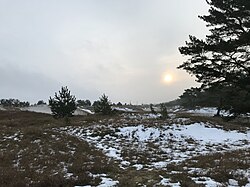
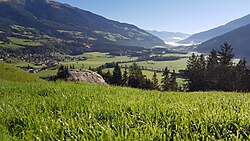
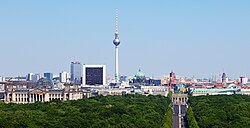
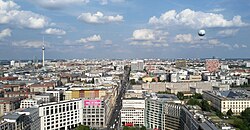
Picture credit: dronepicr (CC BY 2.0) · SKnaebe (CC BY-SA 4.0) · Oberpinzgauer (CC BY-SA 4.0) · Thomas Wolf (CC BY-SA 3.0) · UzeyirMikayil (CC BY-SA 4.0) · Wikimedia Commons
Where is Germany?
Germany lies in Western Europe, on the continent of Europe.
It sits in the northern half of the world, roughly 5 677 km from the equator.
Its coastline is about 2 389 km long.
It shares a border with 9 countries: Austria, Belgium, Czechia, Denmark, France, Luxembourg, Netherlands, Poland and Switzerland.
How big is Germany?
Germany covers 357 114 square kilometres.
That is about 8.6 times the size of Switzerland.
Among the world's countries that makes it the 62nd largest.
If everybody spread out evenly, there would be about 232.2 people on every square kilometre.
Who lives in Germany?
About 82.9 million people live in Germany.
That is the 17th biggest population in the world.
People here speak German.
They pay with the Euro (€).
On average, people born here can expect to live about 77 years.
The land of Germany
The land in Germany sits on average 263 metres above sea level.
Its coast runs for about 2 389 km. Walking it end to end, at twenty kilometres a day, would take roughly 119 days.
It lies between the tropics and the poles, which is the single biggest reason its weather is the way it is.
What makes Germany different?
A dish the country is known for: Currywurst, Sauerbraten and Bratwurst.
Websites from here often end in .de.
Germany and the rest of the world
Out of every thousand people alive on Earth, about 11 live in Germany.
It takes up about 0.27 % of all the land that countries stand on.
Within Europe it is the 6th largest of 45 countries, and the 2nd most populated.
That is busier than the world average of roughly 60 people per square kilometre.
Germany and its neighbours
France, its largest neighbour, is about 1.5 times bigger.
More people live in Germany than in France — 82.9 million against 67 million.
Nature and animals
Of the animals on this site, 21 live wild in Germany: Grey wolf, Red fox, Raccoon, European badger, Eurasian otter and Eurasian beaver and more. The longest river is the Danube, running 2 850 km from source to mouth.
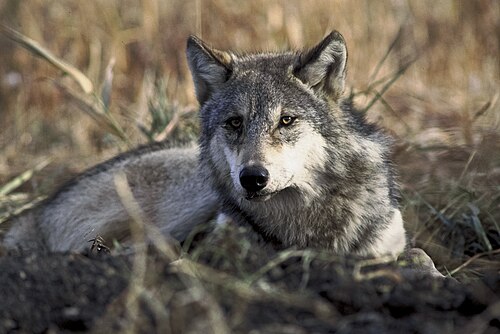 Grey wolf
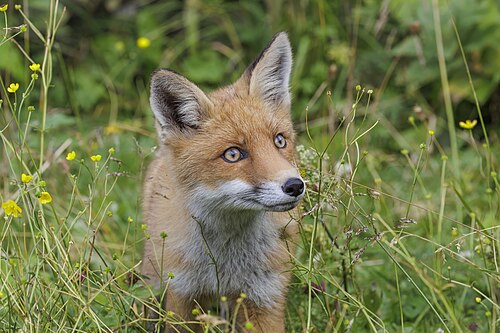 Red fox
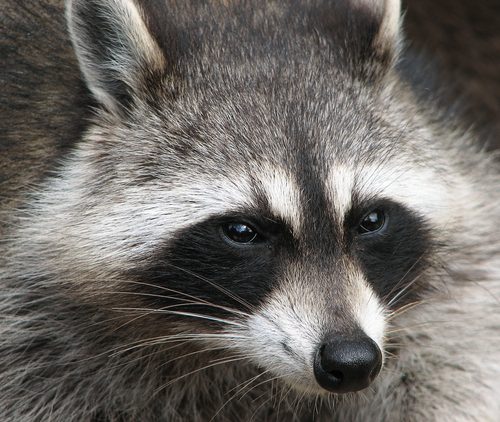 Raccoon
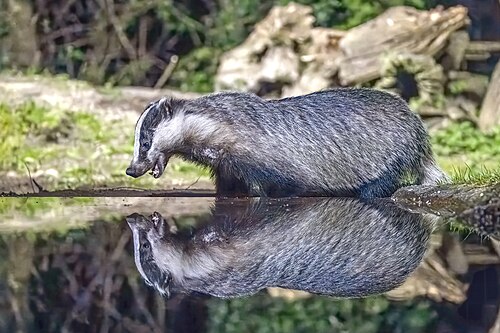 European badger
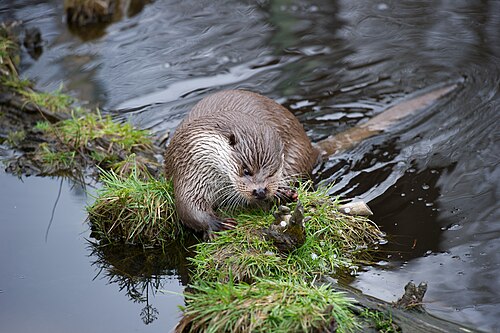 Eurasian otter
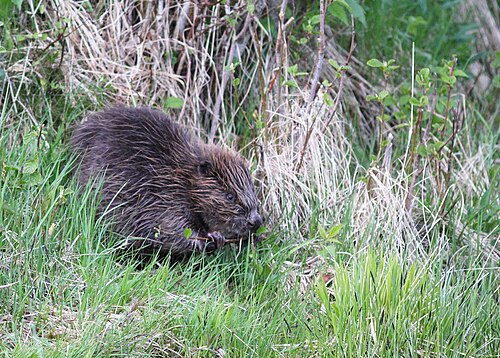 Eurasian beaver
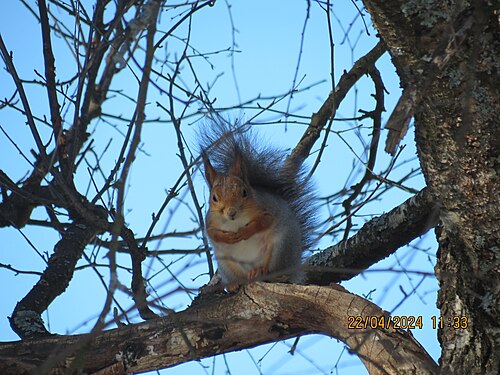 Red squirrel
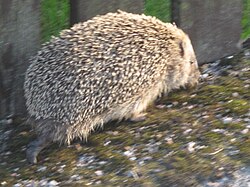 European hedgehog
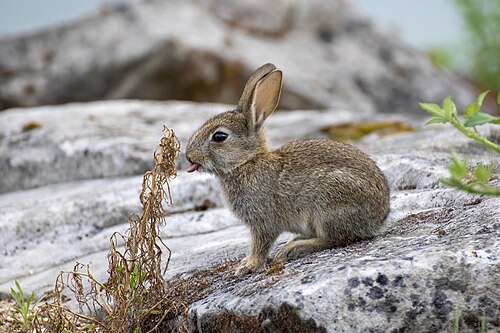 European rabbit
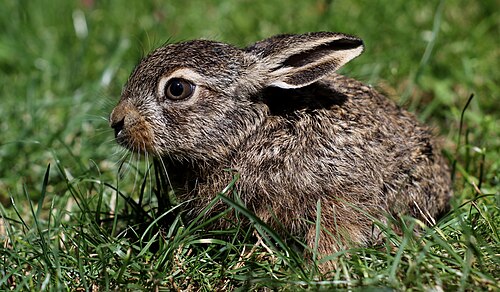 European brown hare
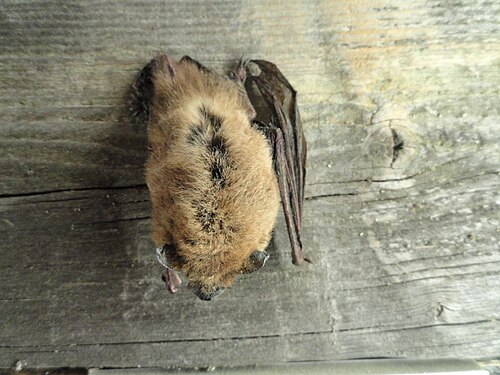 Common pipistrelle bat
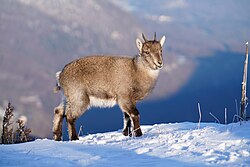 Alpine ibex
Photographs from Wikimedia Commons under free licences — every credit is on the page itself and in the picture credits.
Where this country lands in the record lists
Questions children ask
What is the capital of Germany?
The capital of Germany is Berlin. It is the city where the country's government works from.
How many people live in Germany?
About 82.9 million people live in Germany, which makes it the 17th most populated country in the world. (Source: World Bank, 2018.)
Which countries border Germany?
Germany borders Austria, Belgium, Czechia, Denmark, France, Luxembourg, Netherlands, Poland and Switzerland — 9 neighbours in total.
How big is Germany?
Germany covers 357 114 square kilometres, making it the 62nd largest country in the world. That is about 8.6 times the size of Switzerland.
Which continent is Germany in?
Germany is in Europe, in the part called Western Europe.
Where these numbers come from
Borders and outlines: Natural Earth. Names, capitals, areas, languages and currencies: ISO 3166 data (world-countries). Population: World Bank, 2018. Every derived figure on this page (ranks, density, distance from the equator) is calculated from those values.
Last checked: · How these pages are made